
Describe the loading space
Measurements for each unit show how much space the consignment uses.
A part load uses less than the full vehicle space. The fit depends on space, weight, handling and when the consignment needs to arrive.
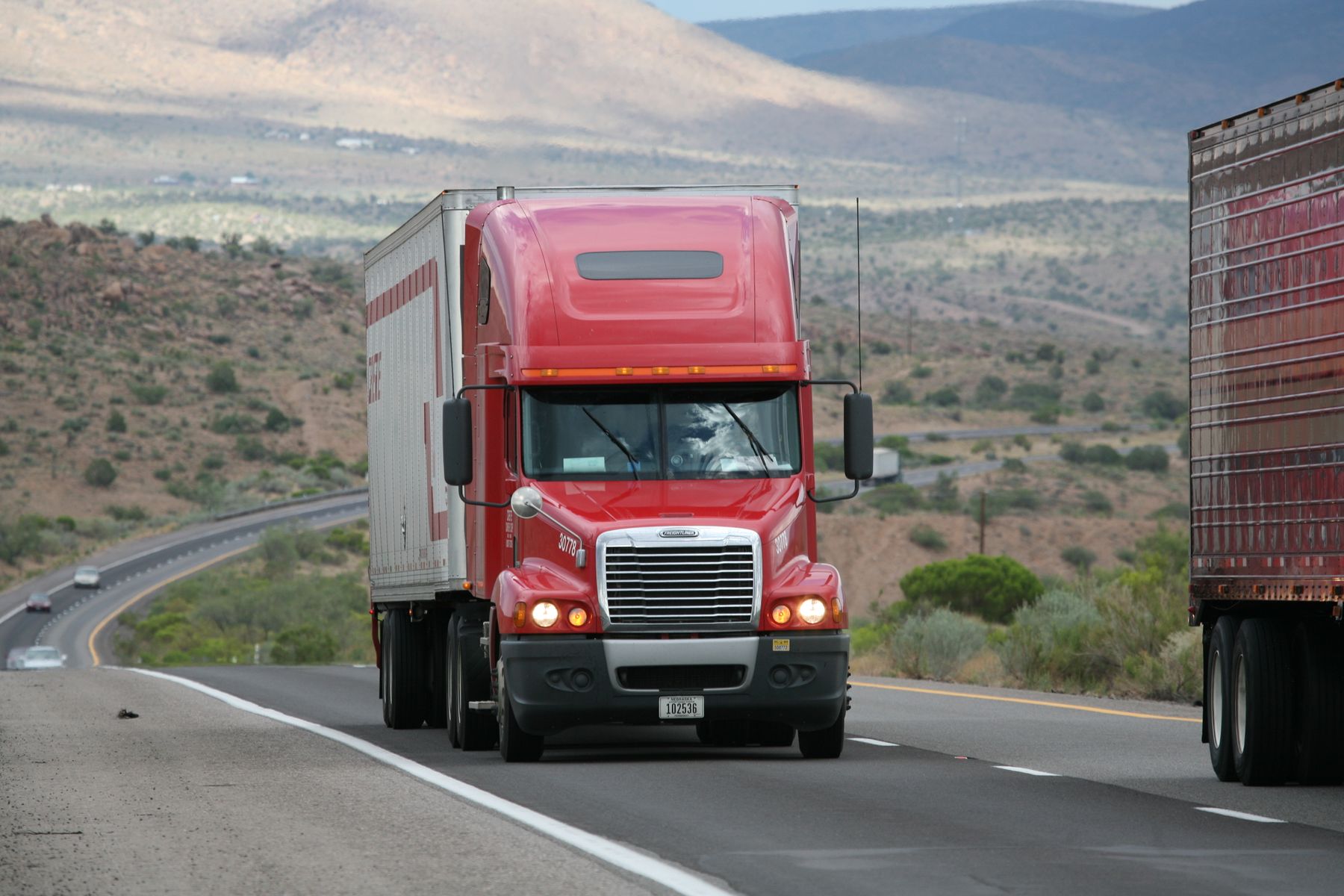
LTL means Less Than Truck Load. Several consignments may be planned together for road transport when their requirements and handling processes fit.
Besides weight and volume, planning considers stackability, packaging, loading sequence and handover points. A compact load may still require special handling because of sensitive packaging or fixed time windows.
Measurements for each unit show how much space the consignment uses.
Share total weight and, where possible, weight per pallet or package.
State stackability, sensitivity and unloading sequence early.
Learn more ↗With shared vehicle capacity, the consignment becomes part of a wider process. Collection readiness and delivery windows should be realistic, and any changes should be reported promptly.
Dock bookings, access, delivery notices and who unloads all affect time on site. Clear details help prepare the consignment.
Goods, documents and handover contact should be available in the agreed window.
Share opening hours, booking, unloading equipment and a contact.
Report revised weight, dimensions or windows before dispatch where possible.
Learn more ↗Summarise packages, pallets, dimensions and special notes consistently. For multiple line items, a simple packing list with contents, weight and measurements per unit helps.
Special freight such as dangerous goods or temperature-controlled loads needs extra details and explicit confirmation. Selecting a requirement in the request form signals a need; it does not confirm that the service is available.
List pallets and packages separately when their dimensions differ.
Describe securing, no-stack rules, temperature or dangerous-goods status.
Begin with the basics and add more information in the form.
Learn more ↗Enter the route, cargo and timing in the structured request form.