
Complete the locations
Check country, postcode, town, street and access instructions.
The blog shares clear basics for better freight requests and handovers. These articles are general information, not a promise of specific company services.
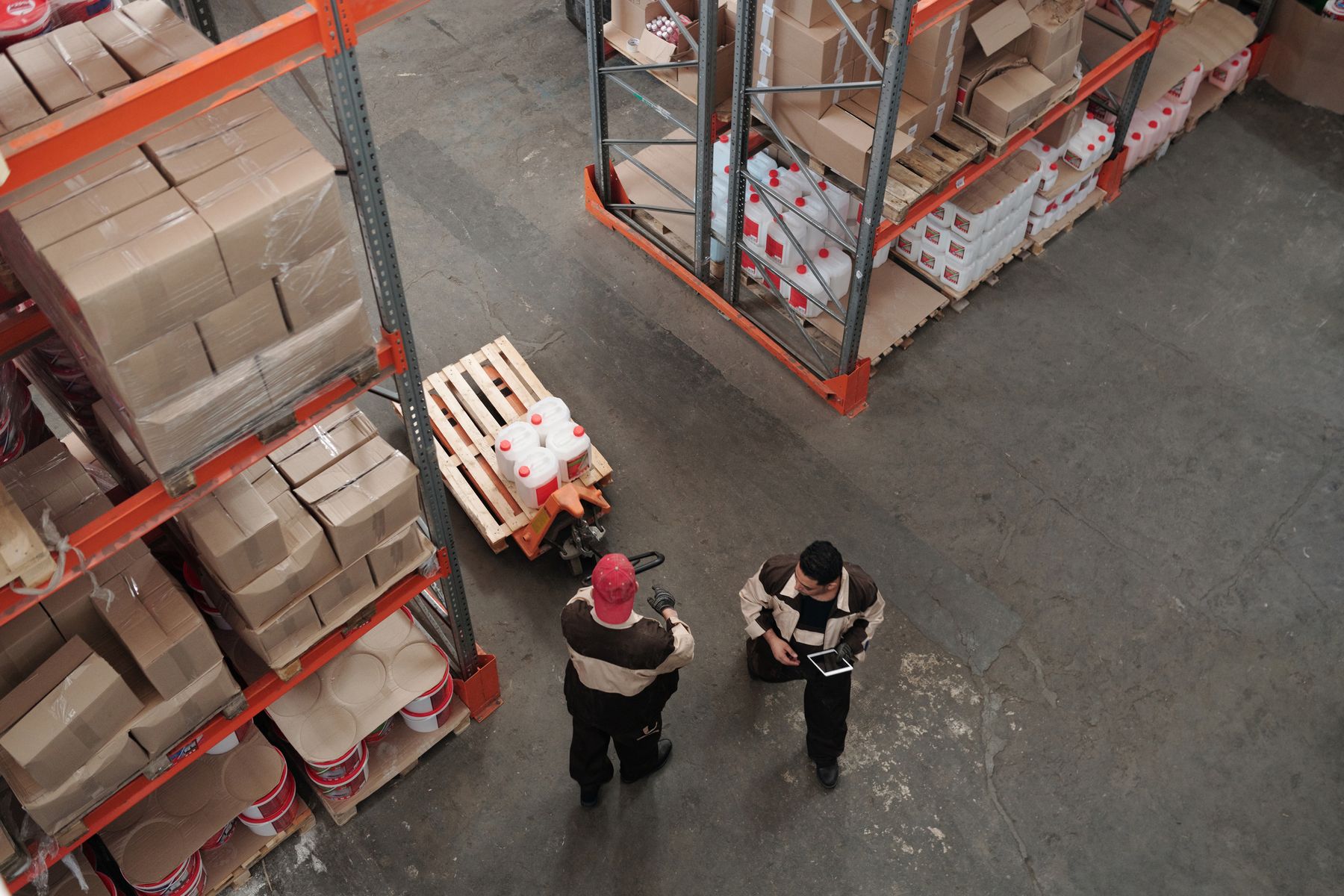
Start with pickup and delivery locations, the requested date, goods type, total weight and handling-unit count. Then add dimensions, stackability, loading equipment and site rules.
For multiple items, use a packing list with weight and dimensions per unit. For sensitive goods, describe packaging and securing requirements. A complete address and reachable contact reduce search and waiting time.
Check country, postcode, town, street and access instructions.
Record pallets and packages separately with dimensions and weights.
Share collection readiness and receiving hours separately.
Learn more ↗A large load may point toward a full load; smaller quantities may suit a part-load review. The outcome also depends on timing, route, handling and available vehicle capacity.
Do not compare only a price per kilometre. Consider delivery windows, possible handovers, loading and unloading effort, and the risk of late changes to cargo details.
Compare actual dimensions and space, not rough estimates.
Describe urgency and possible delivery windows openly.
Add details before expecting a binding offer.
Learn more ↗Access, check-in, parking, unloading equipment and reachable contacts belong in the transport information. A well-planned long-distance route does little good if the vehicle cannot reach the dock.
Set responsibilities for changes: Who reports a delay? Who may change a time window? Who confirms receipt? Clear answers prevent misunderstandings.
Check gate height, road width and turning space in advance.
Align forklift, dock and staff availability.
Provide phone contacts for collection and delivery.
Learn more ↗Enter the route, cargo and timing in the structured request form.