
Space, not just piece count
Length, width, height and pallet positions describe the load better than a rough quantity.
A full load reserves the planned vehicle space for one consignment. It can simplify the process when volume, timing or handover conditions favour a direct journey.
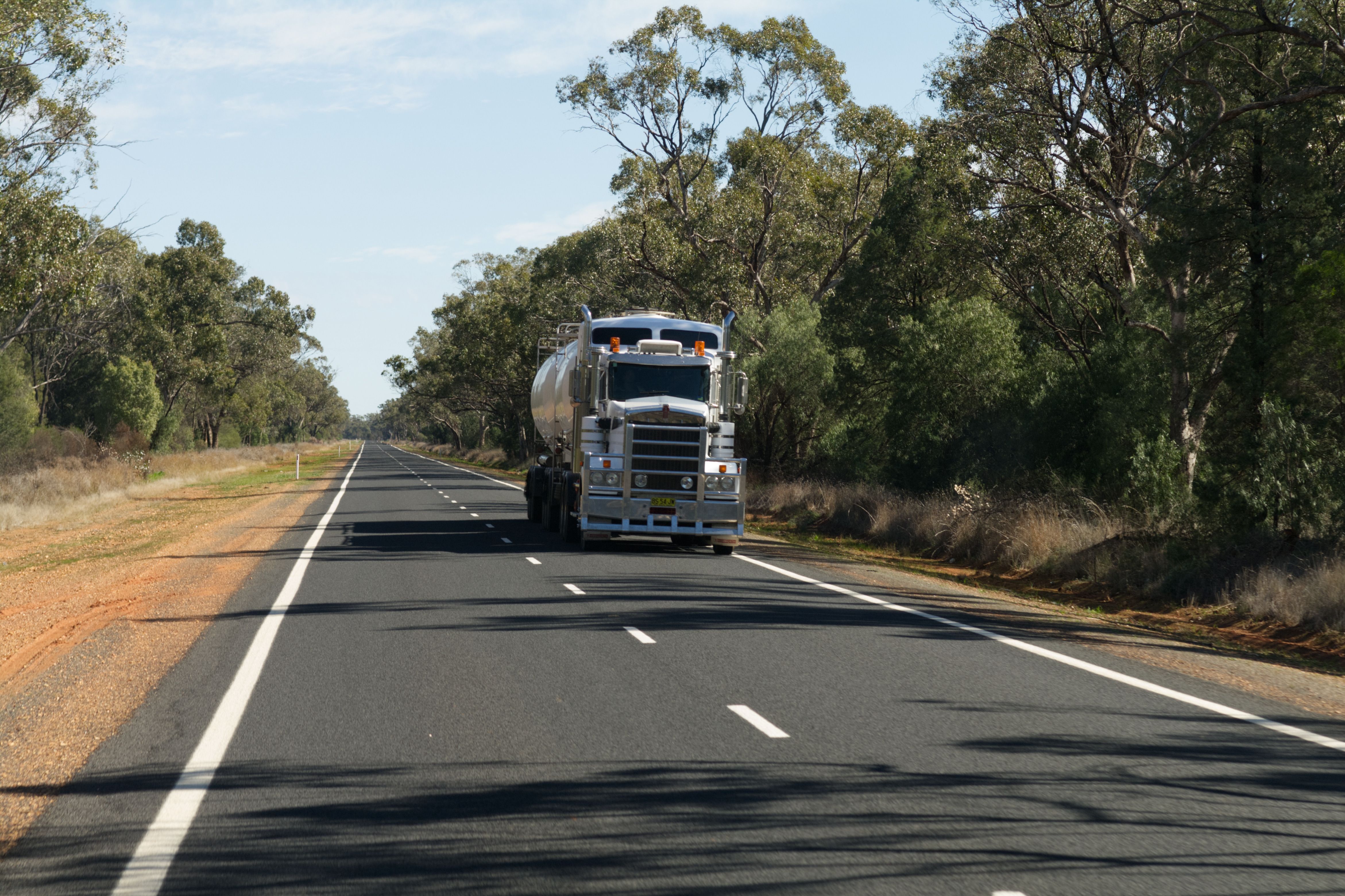
FTL means Full Truck Load. One consignment occupies the planned loading space, or the vehicle capacity is mainly allocated to that order.
It is worth considering when a consignment needs a large share of the loading space, the schedule is tight or extra handling should be avoided. The actual fit depends on the route, dimensions and available capacity.
Length, width, height and pallet positions describe the load better than a rough quantity.
A fixed loading window or direct delivery can affect the plan.
Access width, turning space, dock height and permitted times should be shared.
Learn more ↗In addition to sender and recipient, include package count, total weight, dimensions per unit and the goods type. State whether the load can be stacked and whether a forklift or tail lift is needed.
Mention out-of-hours collection or delivery early. Booking rules, site safety requirements and the contacts who will oversee the handover are also important.
Describe the goods, packaging, load carriers and special conditions clearly.
List the dock, yard layout, waiting area, access and check-in process.
Share an accessible contact for the collection and delivery locations.
Learn more ↗The request is first reviewed against the route, time window, load and any restrictions. The information needed for the actual consignment is then confirmed.
A binding transport commitment is only made when the actual provider confirms the service, price, capacity and date. This website form first collects the key details.
Gather locations, dimensions, weight, dates and handover conditions.
Confirm cargo, access and document details.
Record the agreed scope and date in writing.
Learn more ↗Enter the route, cargo and timing in the structured request form.