
Compare dimensions
Match internal length, width and height to the goods.
A fleet is planned well when vehicle, load, access and delivery window fit together. Company vehicle numbers and types have not been verified.
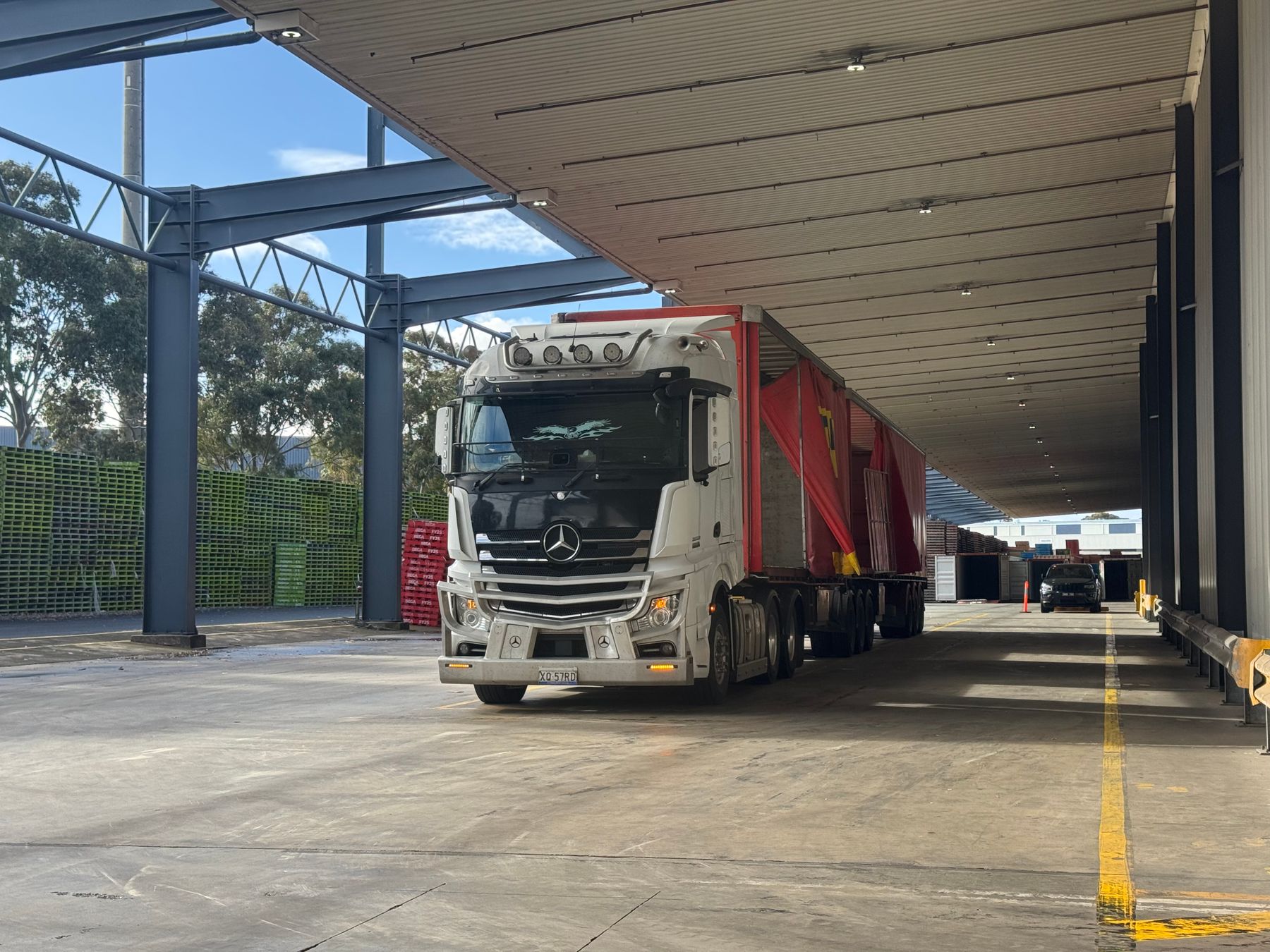
Allocation depends on usable internal dimensions, loading height, legal payload, axle loads, pallet positions and available loading equipment.
Site conditions also matter: turning space, access width, dock height and unloading equipment can limit the suitable vehicle.
Match internal length, width and height to the goods.
Consider total weight and its distribution across handling units.
Align forklift, tail lift and dock availability.
Learn more ↗A sound loading plan distributes weight and considers centre of gravity, axles, stackability and unloading sequence. A load change after planning can affect the vehicle choice.
Securing depends on the actual cargo and applicable requirements. Equipment and responsibilities should be agreed before loading.
Consider heavy units, centre of gravity and unloading sequence together.
Describe securing needs based on the cargo and packaging.
Report extra packages or weight promptly.
Learn more ↗Fleet size, brands, equipment and capacity cannot be inferred from a generic truck photo. The image on this page illustrates road freight and may not show a company vehicle.
Once verified technical information is available, this section can add vehicle groups, operating profiles and facts. Until then, it stays with general selection criteria.
No fleet counts, certificates or coverage claims without evidence.
Show payload, body space and equipment for each confirmed type.
Shipment details help assess a suitable vehicle profile.
Learn more ↗Enter the route, cargo and timing in the structured request form.