
Schedule the delivery
Describe the dock slot, check-in and buffer time.
Road freight planning starts with the working day at the loading site. Production supply, industrial delivery and retail distribution raise different questions.
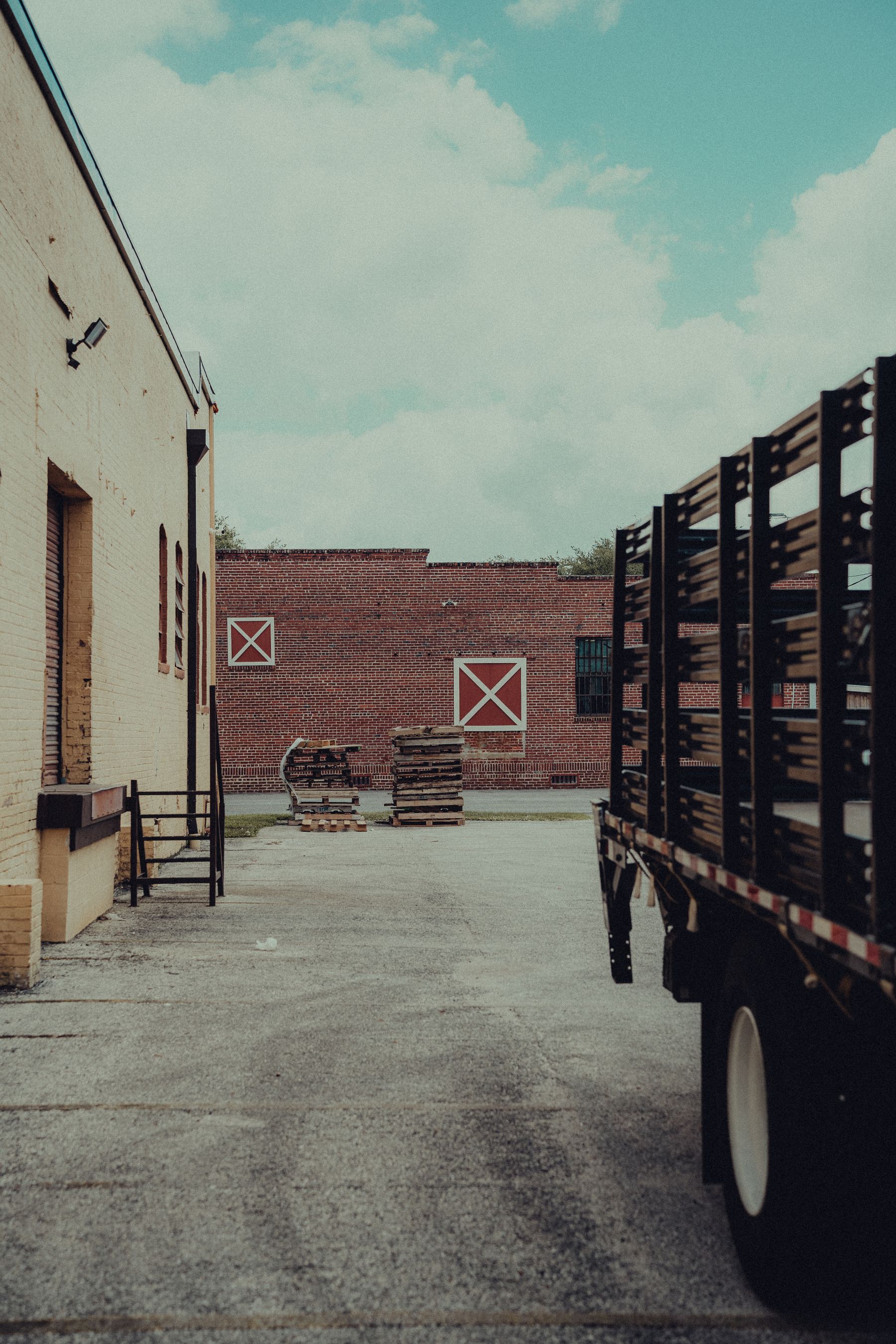
In automotive production, delivery windows, packaging standards, call-off volumes and defined handover points may need close alignment.
A concrete request should therefore include part description, handling units, planned sequence and the impact of a late delivery. These are typical requirements, not a claim about existing customers or confirmed sector experience.
Describe the dock slot, check-in and buffer time.
List returnable or special load carriers separately.
Set the contact and response when a delay occurs.
Learn more ↗Industrial goods range from standard pallets to long, heavy or sensitive units. Packaging alone is not enough to assess vehicle access and securing.
Share centre of gravity, dimensions, weight, lifting points and loading equipment. For outsize or permit-related freight, feasibility must be checked by a qualified provider before booking.
State overhang, height and centre of gravity clearly.
Note gates, road width, ground and manoeuvring space.
Document lifting and securing points clearly.
Learn more ↗Retail deliveries often need to fit fixed receiving times and unloading conditions. Stores, distribution centres and construction sites differ in check-in, vehicle access and available unloading equipment.
A complete recipient address with contact, delivery rules and time window reduces clarification. The actual provider must confirm which locations it can serve.
Record check-in, notification, access and unloading route.
Share pallet count, packaging and sorting needs.
Record the window and receiving contact.
Learn more ↗Enter the route, cargo and timing in the structured request form.